
Since being in Bali the last few weeks, I’ve been very aware of the huge plastic problem here. It’s not only on small islands like Bali that there is an enormous problem when it comes to trash and plastic waste, but worldwide. I recently visited a smaller island just off of Bali, called Nusa Lembongan. The island is only a small 8 square kilometres in size, yet one day I stumbled across a Landfill site. Piles and piles of waste, mostly plastic which went on as far as the eye could see. It made me feel so sad. I’ve personally never seen a landfill site like this, and the contrast of walking into this from such beautiful lush jungle was mind blowing for me.

Nusa Lembongan , Bali

Nusa Lembongan, Bali
Here are some facts on our Earth plastic problem (via ecowatch) :
- In the Los Angeles area alone, 10 metric tons of plastic fragments—like grocery bags, straws and soda bottles—are carried into the Pacific Ocean every day.
- Over the last ten years we have produced more plastic than during the whole of the last century.
- 50 percent of the plastic we use, we use just once and throw away.
- Enough plastic is thrown away each year to circle the earth four times.
- We currently recover only five percent of the plastics we produce.
- The average American throws away approximately 185 pounds of plastic per year.
- Annually approximately 500 billion plastic bags are used worldwide. More than one million bags are used every minute.
- It takes 500-1,000 years for plastic to degrade.
- Billions of pounds of plastic can be found in swirling convergences in the oceans making up about 40 percent of the world’s ocean surfaces.
- Plastic constitutes approximately 90 percent of all trash floating on the ocean’s surface, with 46,000 pieces of plastic per square mile.
- One million sea birds and 100,000 marine mammals are killed annually from plastic in our oceans.
- 44 percent of all seabird species, 22 percent of cetaceans, all sea turtle species and a growing list of fish species have been documented with plastic in or around their bodies.
- Virtually every piece of plastic that was ever made still exists in some shape or form (with the exception of the small amount that has been incinerated).
- Plastic chemicals can be absorbed by the body—93 percent of Americans age six or older test positive for BPA (a plastic chemical).
- Some of these compounds found in plastic have been found to alter hormones or have other potential human health effects.
So, what can we do ?!
If you don’t know, this month is Plastic Free July. One of the easiest ways we can contributing to fighting this huge issue by simply refusing to use single use Plastic. This is the easiest way for us to contribute on a daily basis! However, being surrounded by copious amounts of plastic everyday, this can be easier said then done. Here are a few tips we’ve put together to get you started:
On the go
- Carry a reusable shopping bag – Eco bags should be your new shopping bestie!
- Give up bottled water – Plastic water bottles are one of the most common items in the world and make up a huge percentage on the trash we accumulate.
- Carry a reusable water bottle – Carrying a reusable bottle means you can ask for tap water where possible ( if available to you ) or take advantage of water dispensers. Shop my favourite reusable bottle brand ‘Chilly’s’ here.
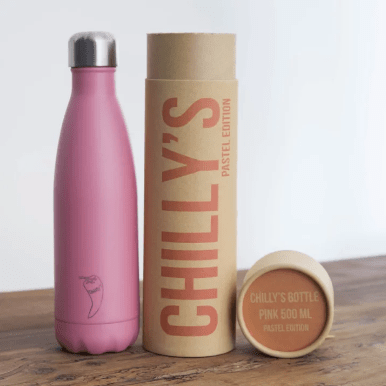
Via Chilly’s Bottles - Carry a reusable thermo cup – If you are a regular coffee on the go-er, then carry a thermo cup instead of using the plastic lined cardboard cups. Shop my fav Eco mugs here.
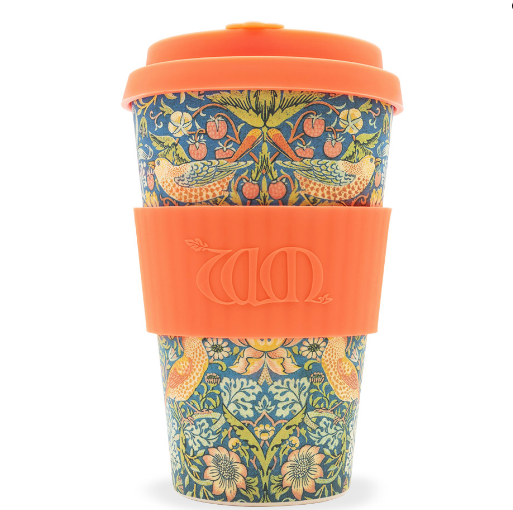
Via Eco Coffee Cups - Say no to plastic bags, full stop – if you can fit the product in your own bag, then why not do it!?
- Say no to plastic straws – They may seem harmless, but imagine how many are accumulated in one night of drinking from one person. Switch to using your lips, or investing in a stainless steel straw.
Beauty
- Stop using reusable plastic razors – Invest in a safety razor, a razor which uses refills, or switch to an electric razor.
- Chose toilet roll which is wrapped in paper and not plastic.
- Use plastic free feminine hygiene – ( Ladies, a menstrual cup is not as scary as it sounds!)
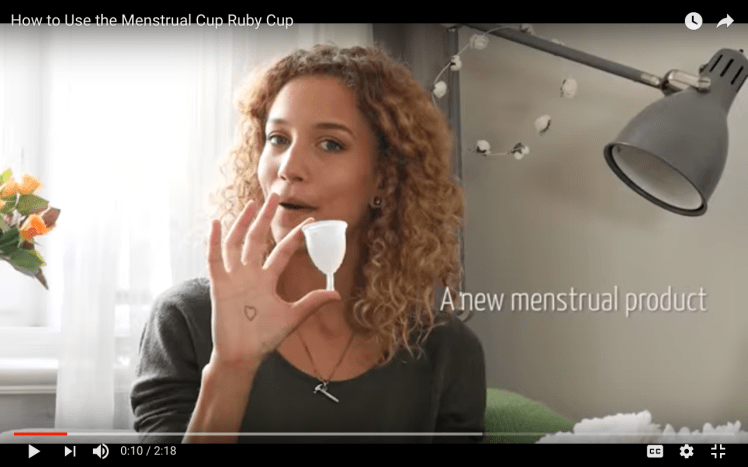
- Switch your plastic toothbrush for a wooden or bamboo one!
- Stop using skincare with microbeads ( yes microbeads are plastic ). Read more here.
- Shop brand that are package-free.
- Opt for glass bottles rather than plastic.
- Switch to biodegradable materials, such as eco friendly makeup brushes.
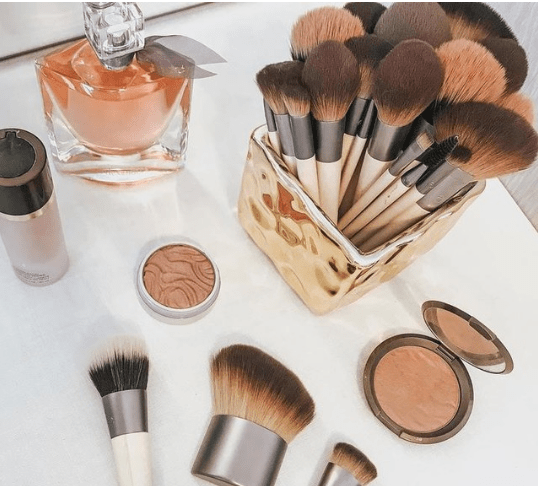
Vegan Makeup Brushes Via @ecotools - look for PCR plastic- This is basically recycled plastic which eliminates the need to make new plastic, therefore minimising the ongoing effects of plastic consumption. The likes of Lush, Aveda and Neals Yard are all contributors to this movement!
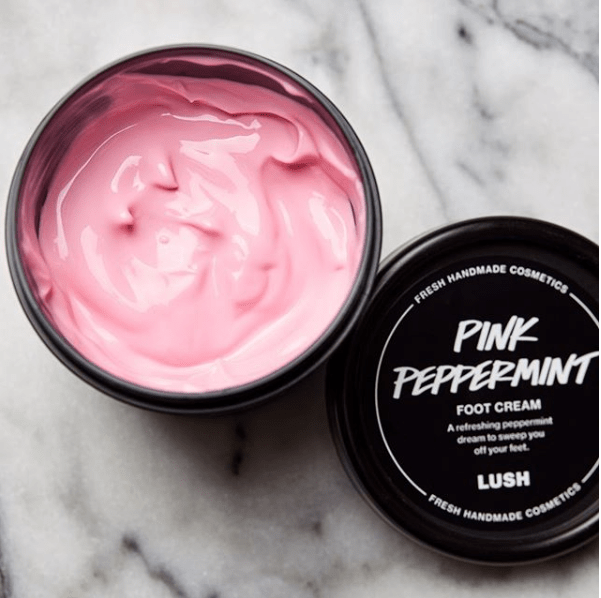
Via Instagram @Lushcosmetics - Research what’s in your toothpaste – Much of the plastic that’s polluting the oceans is microplastics, which are tiny chunks that are next to impossible to filter out. These can be found in most Toothpaste!
Kitchen and food prep
- Carry your own reusable cutlery
- Use reusable snack bags
- Use stainless steel or glass storage containers
- Buy fresh produce which comes in paper bags – No fruit or veggies, or bread wrapped in plastic!
- Say no to plastic trash bags!
- Buy in bulk
- Avoid individually wrapped products
- Grow your own – try growing your own herbs and veggies!
- Buy refills – instead of buying a brand new product, do your bit by at least buy refills.
- Switch to ceramic or bamboo plates!
General shopping
- Request zero plastic packaging when shopping online
- Stop buying CDs and DVDS, download instead
- Buy matches, not lighters!
- Opt for paper bags, instead of plastic.
- Stop buying chewing gum! ( yes chewing gum is made from plastic)
- Stop buying plastic phone cases!
Fashion
So, fashion doesn’t really come to mind when you think of plastic, right!?
However it’s one of the biggest offenders! We’re not talking only about the plastic bags you receive at the counter or through online deliveries, but the actual fabrics which we purchase are often made form plastic! Polyester, polar fleece, Nylon…to name a few! However, we live in a time where there are so many sustainable brands on the market when it comes to fashion. Bamboo is a wonderful fabric for any type of clothing, including underwear! It’s naturally antibacterial, odour-resistant and soft to touch, which makes it a great ( and sustainable) alternative to plastic fabrics.

 diaryofabeautyseeker.com